
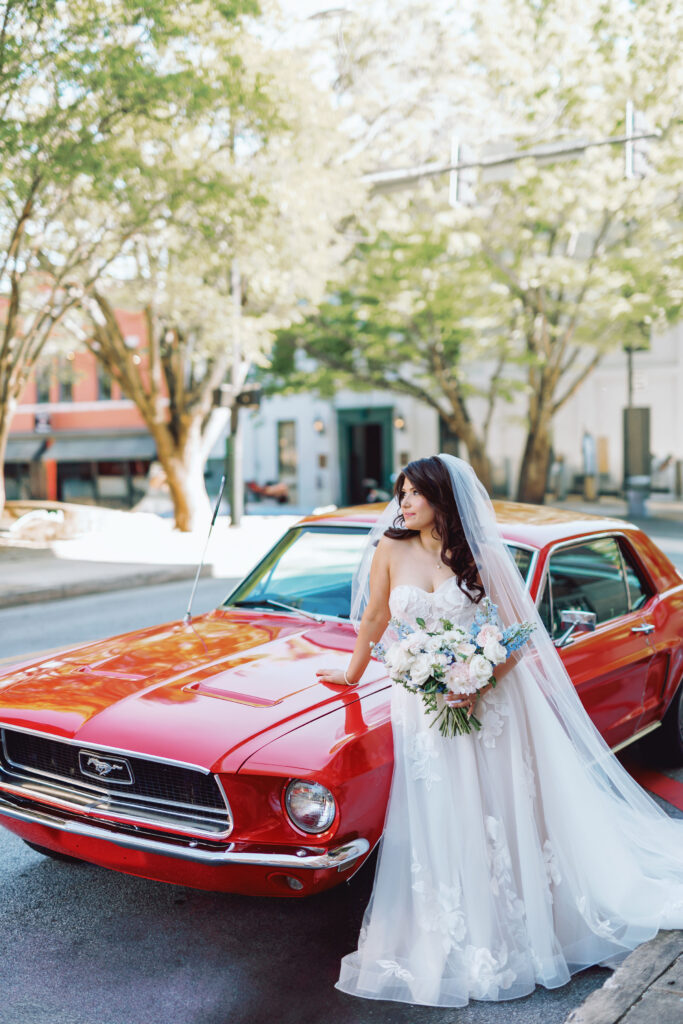
Building a Savannah wedding photography timeline can feel overwhelming when you are trying to coordinate getting ready, portraits, transportation, your ceremony, cocktail hour, and the reception.
The good news is that you do not have to figure everything out at once.
I recommend beginning with one important piece of information: your ceremony time. From there, we can work backward and build a photography timeline that supports the way you actually want your wedding day to feel.
Your timeline should not simply be a list of places you need to be. It should give you enough space to enjoy the day, spend time with the people you love, and create meaningful photographs without constantly feeling like you are running behind.
Here are the biggest things I consider when helping my couples build their wedding photography timeline.
Start With Your Ceremony Time and Work Backward
Your ceremony time is usually the anchor for the rest of the wedding day.
Once we know whether your ceremony begins at 3:00, 4:00, or 5:00 p.m., we can start working backward to determine when you should get dressed, when portraits should begin, and when photography coverage should start.
For example, your getting-ready portion of the day needs to happen early enough to leave room for portraits, transportation, and any quiet time you would like before the ceremony.
However, your ceremony time should not be chosen without considering the season, sunset, and whether you plan to have a first look.
Those decisions can completely change how the rest of your timeline needs to be structured.
Consider Sunset When Building Your Savannah Wedding Photography Timeline
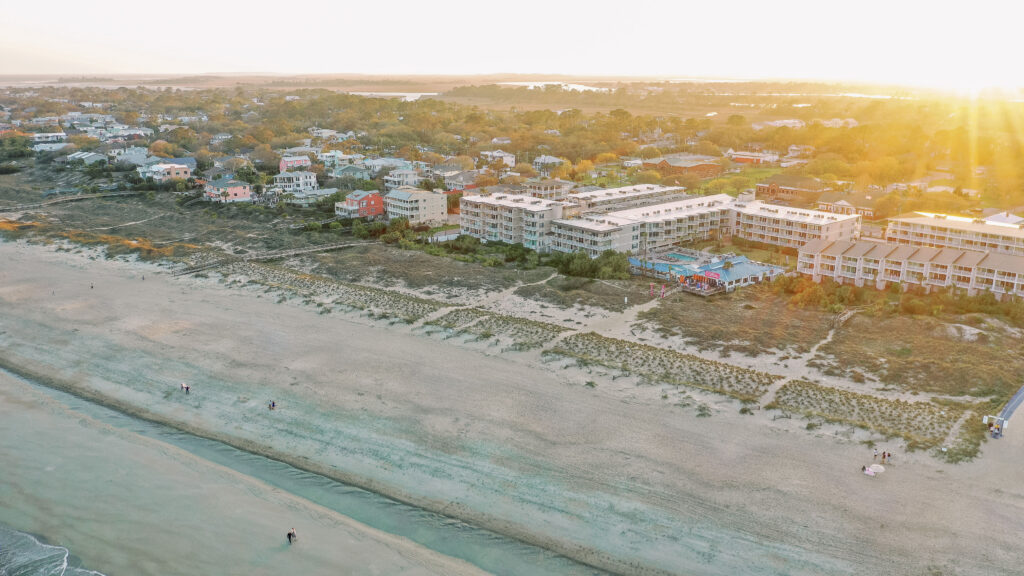
Sunset is one of the most important timing factors to consider, especially for fall and winter weddings in Savannah.
During parts of the fall and winter, the sun sets much earlier than many couples realize. That means waiting until after a later ceremony to take all of your family, wedding party, and couple portraits may leave us with very little natural light.
If you are not planning to have a first look, your ceremony may need to begin earlier so that we still have enough daylight for portraits afterward.
Your exact ceremony time will depend on your wedding date, venue, travel plans, and photography priorities. This is why I always recommend looking at the sunset time for your specific date rather than assuming the light will be the same throughout the year.
Sunset gives us a helpful reference point for deciding where your ceremony should fall within the day.
Decide Whether You Want a First Look
One of the biggest factors affecting your wedding photography timeline is whether you choose to have a first look.
Neither option is better than the other. They simply create two very different wedding-day schedules.
How a First Look Changes the Timeline
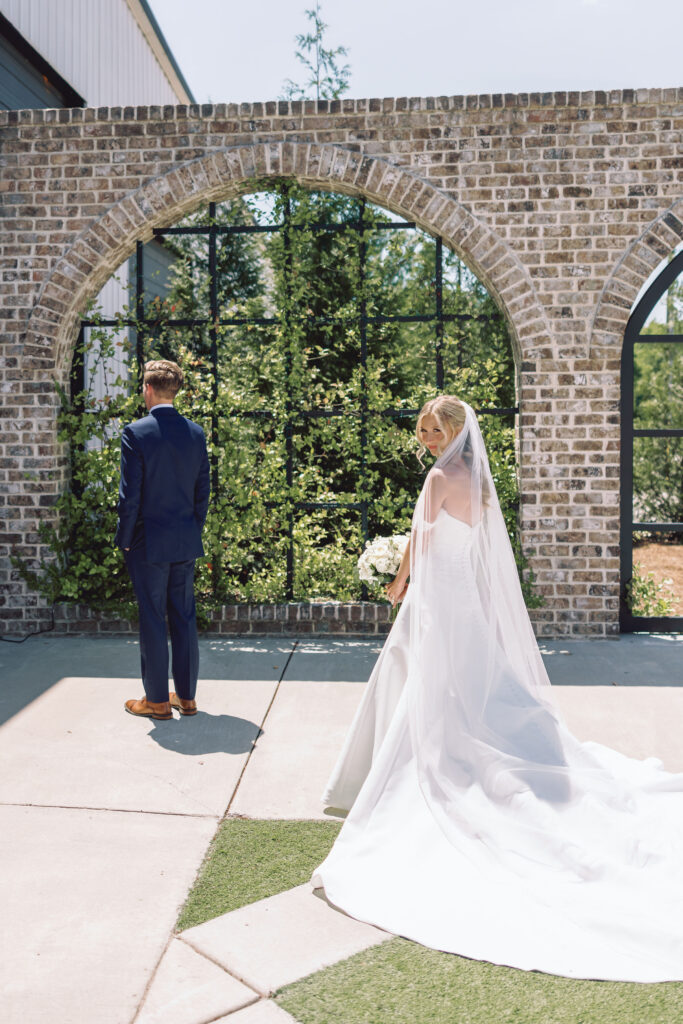
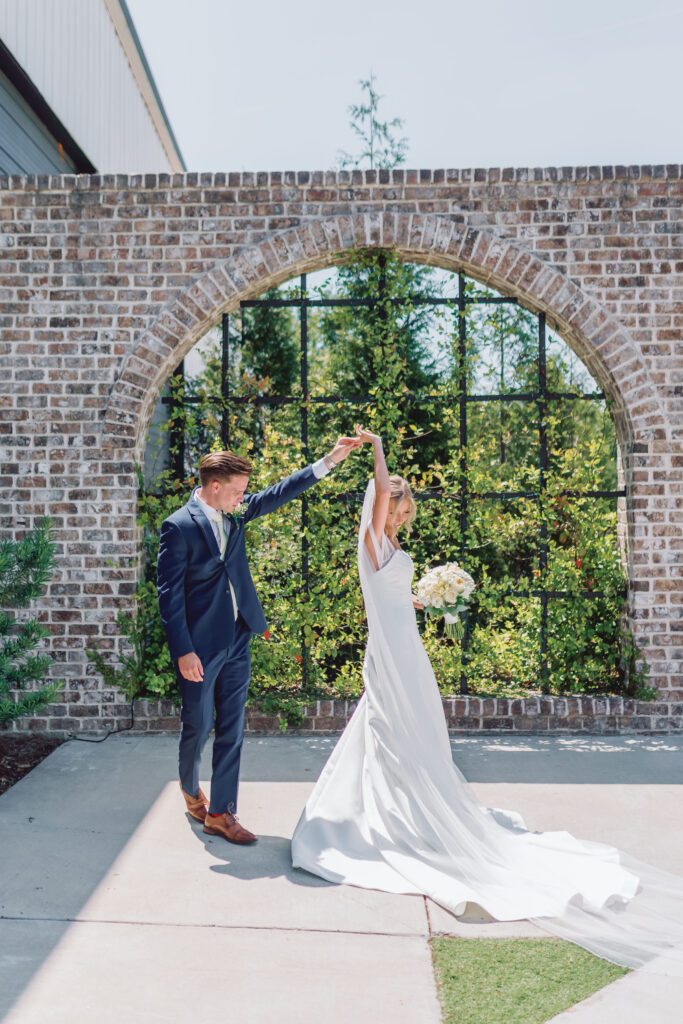
With a first look, we can complete approximately 70 to 80 percent of your portraits before the ceremony.
Depending on your plans, this can include:
- Your first look
- Couple portraits
- Wedding party portraits
- Immediate family portraits
Completing these photographs earlier usually creates a more relaxed schedule after the ceremony. It may also allow you to attend part or all of your cocktail hour instead of using that entire time for portraits.
A first look can be a great fit for couples who want more flexibility, want to spend time with their guests during cocktail hour, or simply want a quiet moment together before the ceremony begins.
How a Traditional Timeline Works
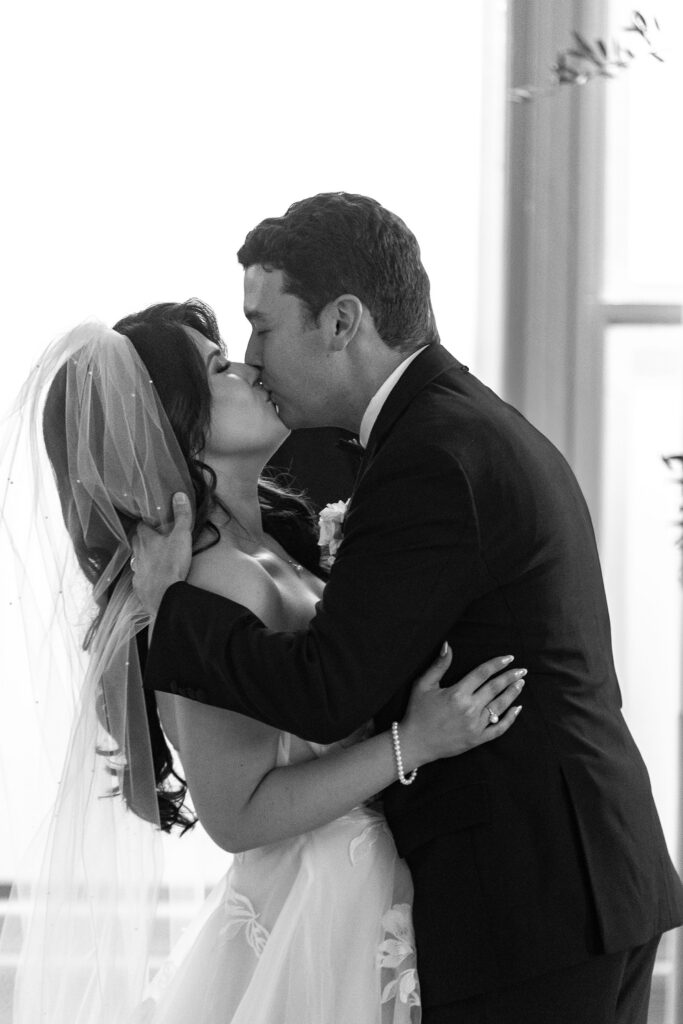
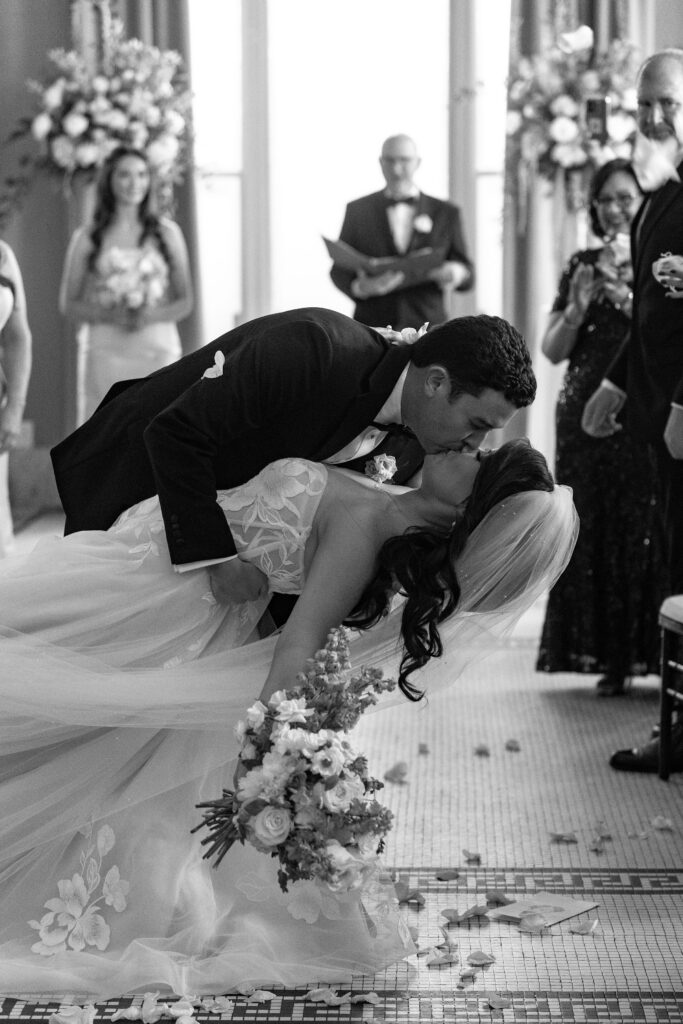
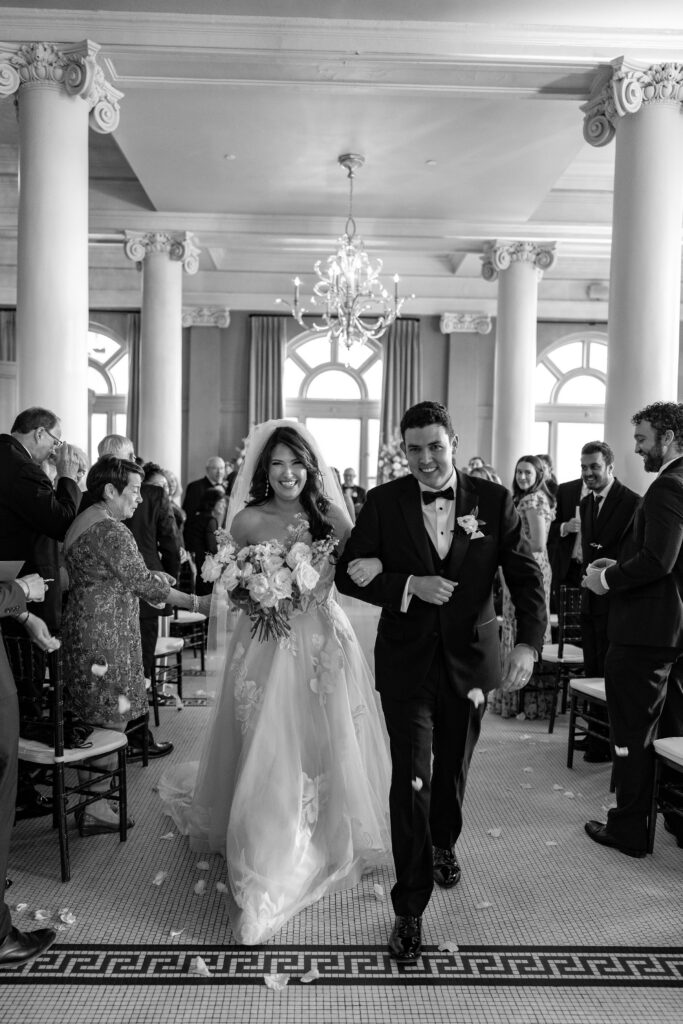
Some couples want to preserve the tradition of seeing each other for the first time during the ceremony. That is completely okay.
With a traditional timeline, your couple portraits, family portraits, and full wedding party portraits will usually happen after the ceremony.
In this situation, cocktail hour becomes your main photography time. You will most likely miss cocktail hour while we complete the portraits that could not be taken before the ceremony.
This does not mean a traditional timeline is wrong or that you will receive fewer meaningful photographs. It simply means we need to be more intentional about your ceremony time, sunset, family portrait list, and the amount of time available before the reception begins.
The most important question is not, “Which option is better?”
The better question is, “How do we want our wedding day to feel?”
Consider whether attending cocktail hour is important to you, whether you want a more relaxed portrait schedule, and how strongly you feel about saving that first moment for the aisle.
Include Travel Time Between Savannah Locations
Travel time can be easy to underestimate when you are looking at a schedule on paper.
This becomes especially important when you are getting ready at one location, holding your ceremony at another, and celebrating at a separate reception venue.
Even when two Savannah locations look close on a map, we still need to consider:
- Loading the wedding party into vehicles
- Waiting for a trolley or transportation
- Downtown traffic
- Parking
- Walking between locations
- Gathering everyone before leaving
Travel time is not only the amount of time it takes to drive from one address to another. It also includes the time it takes to organize everyone and make the transition. If your wedding involves multiple downtown locations, it can also be helpful to review downtown Savannah parking information ahead of time.
Building that time into the schedule helps prevent one small delay from affecting the entire wedding day.
Give Yourself More Time Than You Think You Need
One of my biggest pieces of advice is to build more breathing room into your timeline than you think you will need.
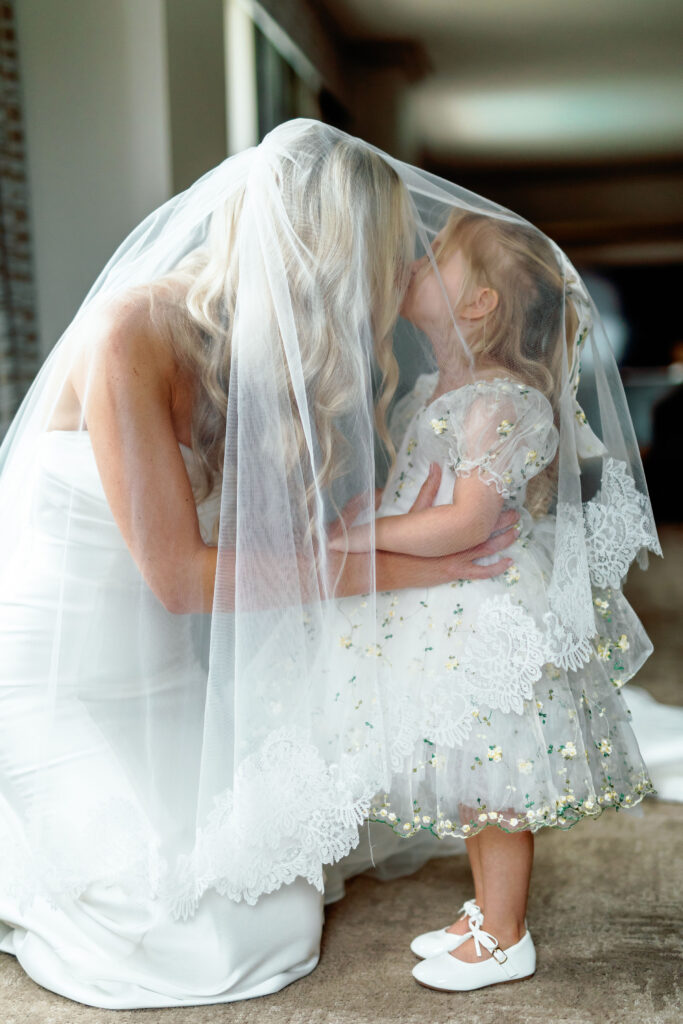
Wedding days involve a lot of people and moving pieces. Sometimes we need to find a family member for portraits. The flower girl may have a meltdown. A personal item may have been left at the hotel. The trolley may be late, or traffic may take longer than expected.
None of those things mean the day is going wrong. They are simply part of a real wedding day.
When every part of the schedule is planned down to the exact minute without any cushion, one small delay can make the entire day feel stressful.
Adding extra time gives us flexibility. Instead of rushing through meaningful moments, we can adjust the schedule while keeping the day moving forward.
This is also one of the reasons I offer full-day wedding photography coverage rather than building the day around a strict hourly package. Wedding days shift, and I want your photography experience to have enough flexibility to reflect that.
Allow Time for the Full Getting-Ready Story
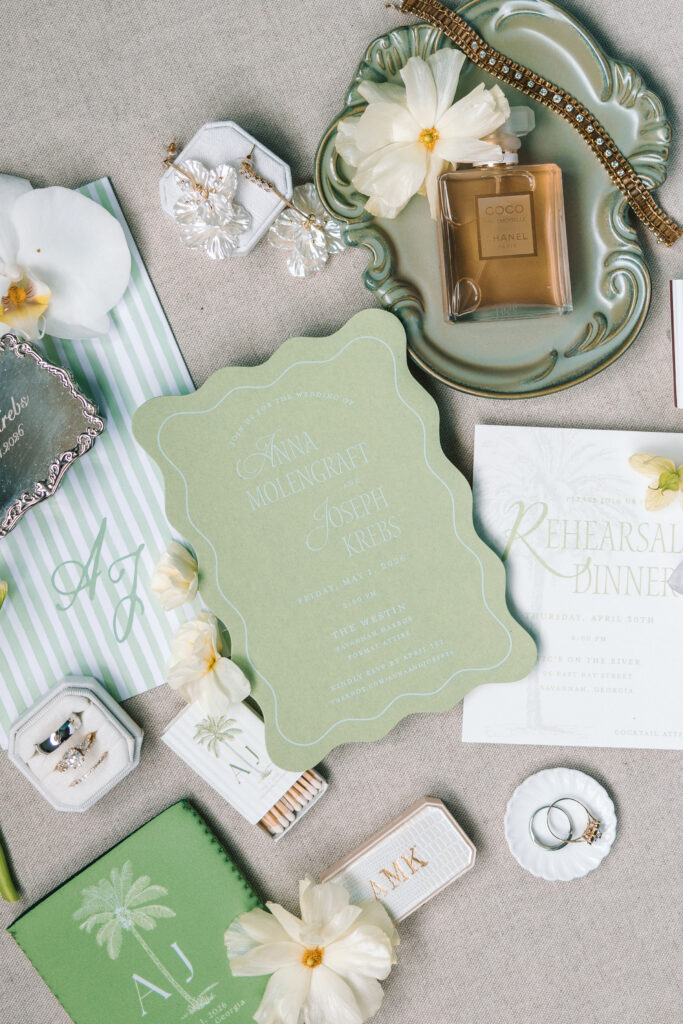
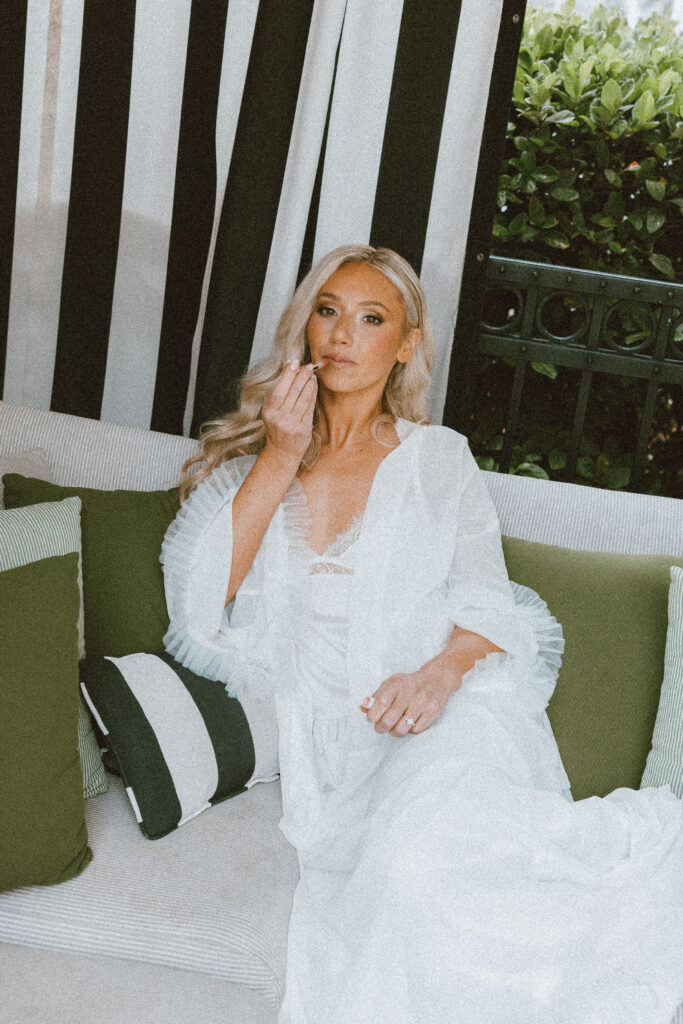
I usually begin photographing approximately two hours before the bride gets into her dress.
That time allows me to photograph the buildup of the morning instead of arriving only for the final few minutes.
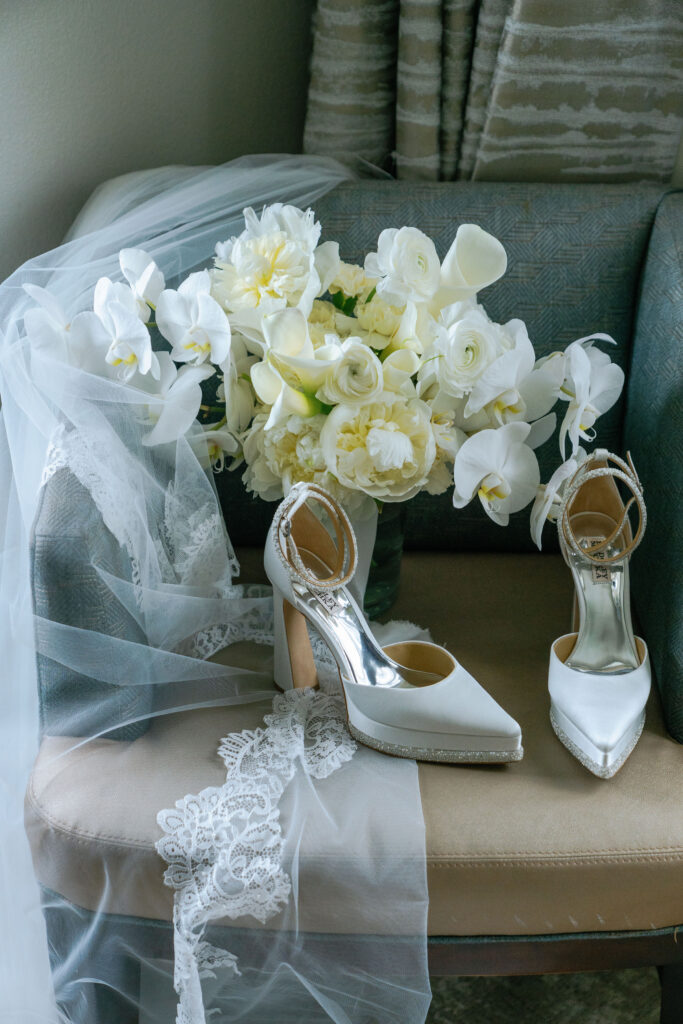
During this part of the day, I can document your details, the room, your closest people getting ready, and all of the little moments happening before everything officially begins.
It also gives us time to prepare the room, gather important items, and make sure you are not immediately rushing from hair and makeup into getting dressed.
The getting-ready portion of the day is part of your wedding story. Giving it enough time allows those photographs to feel natural and complete rather than hurried.
Build the Timeline Around Your Photography Priorities
There is no single timeline that works perfectly for every couple.
Your schedule should reflect the photographs and experiences that are most important to you.
For example, family portraits may be one of your biggest priorities. You may want individual photographs with several relatives or multiple family combinations.
That is absolutely something your photographer needs to know ahead of time because those portraits require additional time.
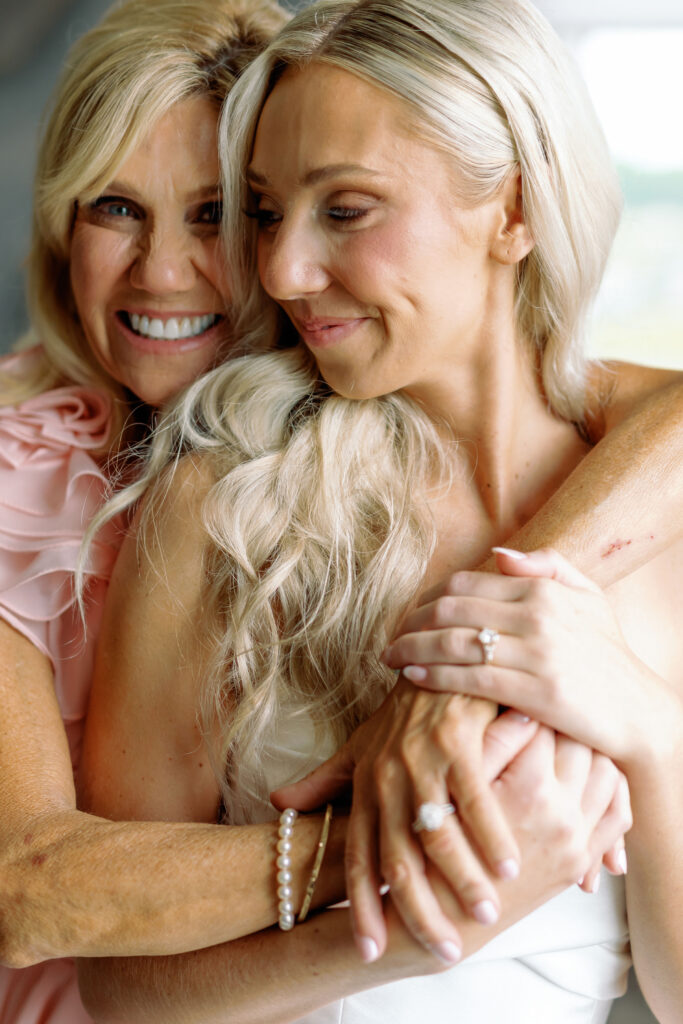
Another couple may prioritize sunset portraits or want to spend the full cocktail hour with their guests. Someone else may want extra time for emotional getting-ready moments with their parents and wedding party.
Think about the parts of the day that matter most to you:
- Do you want to attend cocktail hour?
- Is saving the first look for the aisle important?
- Do you want extensive family portraits?
- Are sunset couple portraits a priority?
- Are you traveling between multiple locations?
- Do you want a relaxed getting-ready morning?
Once we know your priorities, we can build the timeline around them instead of trying to force your wedding into a schedule that does not reflect your vision.
Communicate Your Vision With Your Photographer
Your photographer cannot properly plan for something they do not know is important to you.
Communicating your priorities early allows your photographer to make more time for the people, portraits, and moments that matter most.
You do not need to know every family photograph or exact timing detail when you first book. However, as the wedding gets closer, be honest about what you are most excited about and anything you are worried about missing.
That information helps us create a wedding day photography timeline that feels personal to you.
A strong timeline is not only about making sure we take every photograph. It is about creating enough space for you to experience the moments being photographed.


Your Wedding Timeline Should Help You Enjoy the Day
The goal of a wedding timeline is not to control every minute of your wedding.
It is there to give the day structure while leaving enough room for real life to happen.
Begin with your ceremony time. Consider the sunset on your specific wedding date. Decide whether a first look or traditional timeline reflects your priorities. Include realistic travel time, and give yourself more breathing room than you think you need.
Most importantly, communicate with your photographer.
You should not have to build your wedding photography timeline alone. This is something your photographer should help you create based on your venue, ceremony, season, family, transportation, and vision for the day.
Some Last Thoughts
My biggest goal when creating your wedding photography timeline is for you to feel present.
I never want you to spend the entire day looking at the clock or feeling like we are rushing from one photograph to the next. Things may shift, people may run late, and unexpected little moments will happen. That is normal.
When we build enough time around the parts of the day that matter most to you, we can adjust without losing the feeling of the day.
Your wedding should feel joyful, intentional, and completely yours—and your timeline should help make that possible.
Ready to create a wedding photography experience that feels organized without feeling rushed? I would love to hear what you’re dreaming up. Inquire here.


