
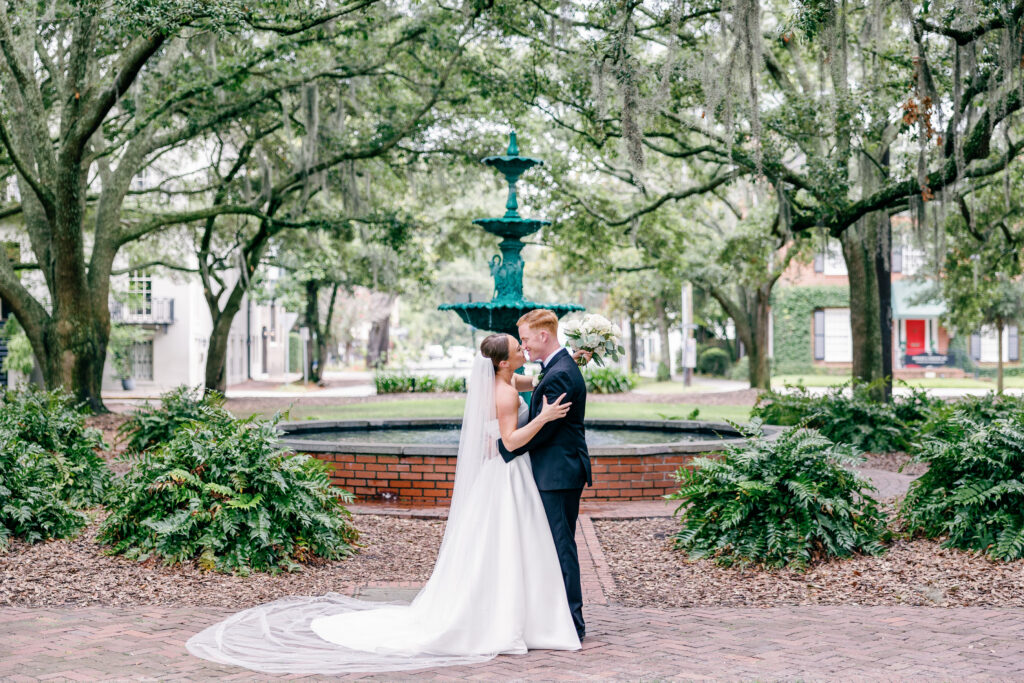
If you are wondering how to choose a wedding photographer in Savannah, start with this: you are not only choosing the person who will make your photographs. You are choosing someone who will be beside you through nearly every part of your wedding day – from the quiet getting-ready moments to the packed dance floor.
Beautiful images matter, of course. But so does the way your photographer communicates, handles a changing timeline, works with your planner, guides your family, and helps you feel comfortable enough to be fully present. The right fit should give you photographs you love and an experience that feels calm, personal, and genuinely enjoyable.
Savannah also brings its own set of considerations. The light can shift quickly beneath the oak trees, summer weather can change in minutes, historic spaces often have very different lighting from one room to the next, and moving through downtown can take longer than a map suggests. After nearly ten years of photographing weddings in Savannah and across the Lowcountry, these are the things I would encourage every couple to consider before booking.
Start with how you want the day (and the photographs) to feel.
Before comparing packages, make a short list of what you want to remember. Is it the expression on your mom’s face while she helps you get dressed? A polished portrait that feels worthy of a frame? The laughter during speeches? Your grandparents dancing? The full energy of the reception?
Then think about how you want the photography experience itself to feel. Some couples want constant direction. Others want their photographer to fade into the background. Many want a thoughtful mix: guidance when it is helpful, space when the moment needs to unfold, and an editorial eye that makes everything feel intentional without making the day feel staged.
That balance is a major part of my own approach. I will guide you into beautiful light, help with movement, fix the little things you cannot see, and keep portraits from feeling awkward. Then I step back and watch for the real moments – the ones that cannot be recreated because they were never performed in the first place.
A photographer’s editing style matters, but their working style will shape your actual wedding day. Make sure you understand both.
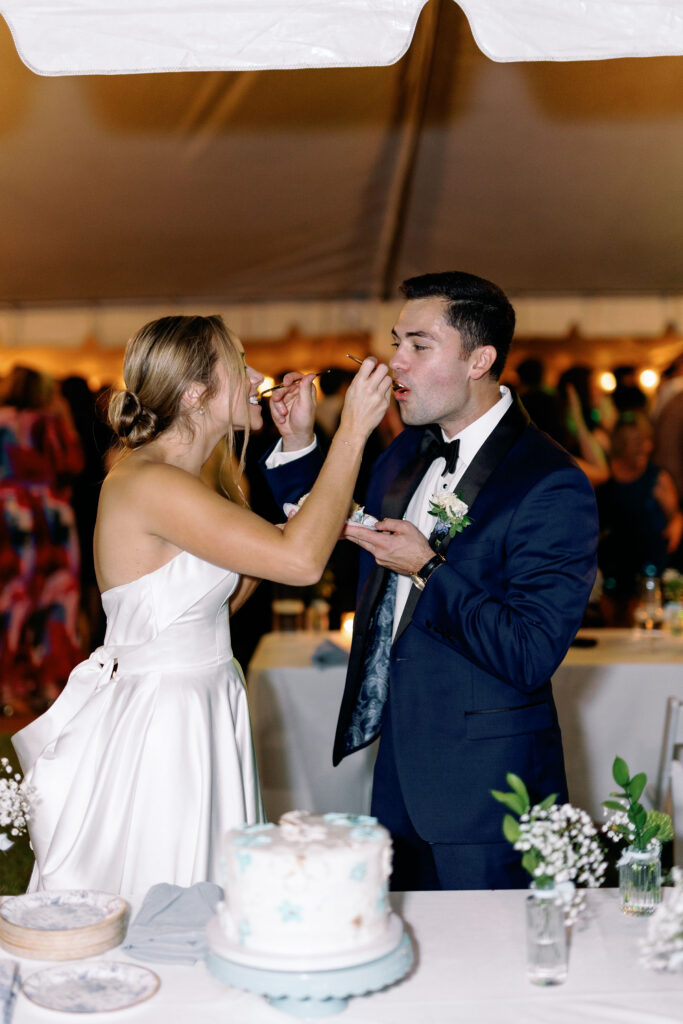
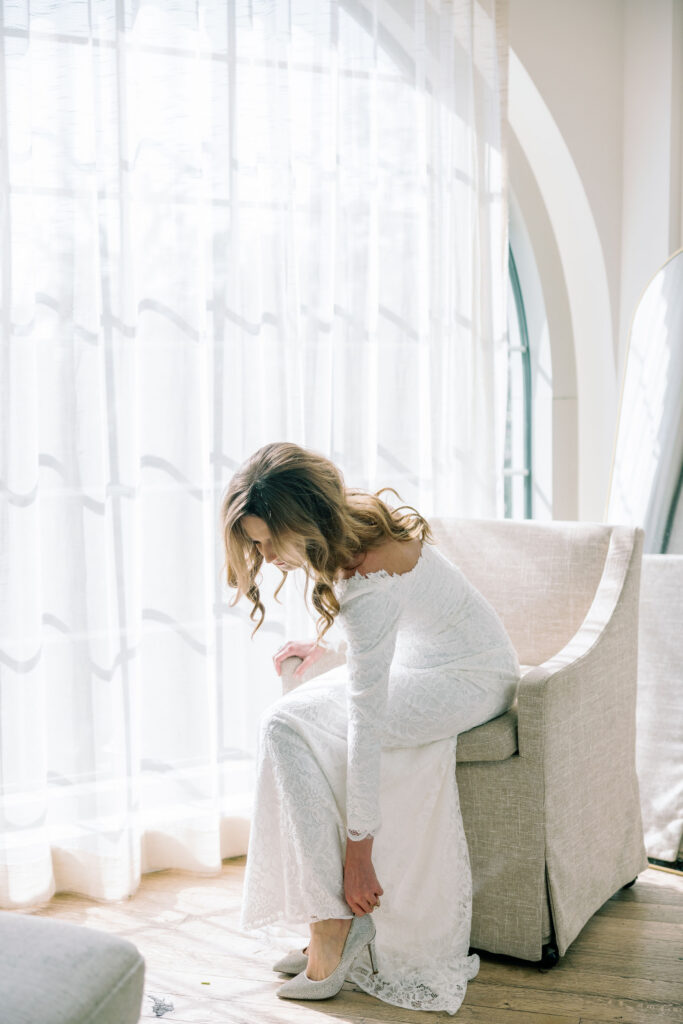
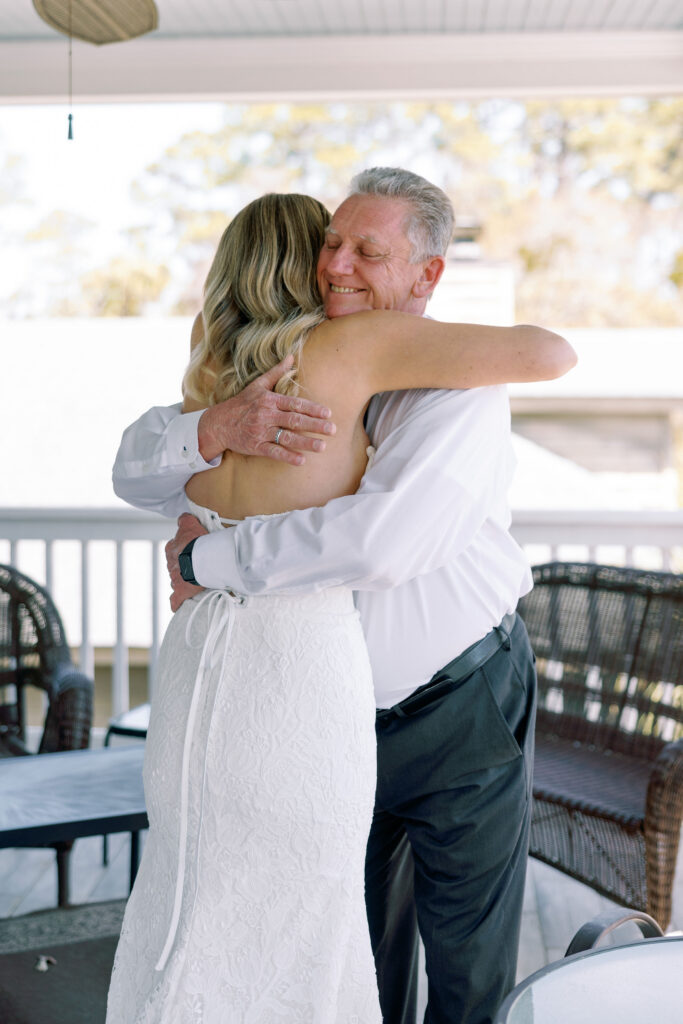
Look beyond Instagram and ask to see full wedding galleries.
A portfolio is meant to show a photographer’s strongest work. A complete gallery shows consistency. Ask to see at least two full weddings, ideally with a setting, season, or timeline similar to yours.
As you look through them, pay attention to more than the sunset portraits. Notice the getting-ready room, the ceremony processional, family formals, indoor photographs, skin tones, flash photography, reception details, toasts, and the dance floor. Do the images still feel strong when the light is difficult? Does the story feel complete? Are the photographs edited consistently from beginning to end?
Savannah weddings may move from bright outdoor light to a dim historic church, a hotel ballroom, and a nighttime reception all in the same day. A full gallery will tell you much more about a photographer’s experience than a grid of favorite images ever can.
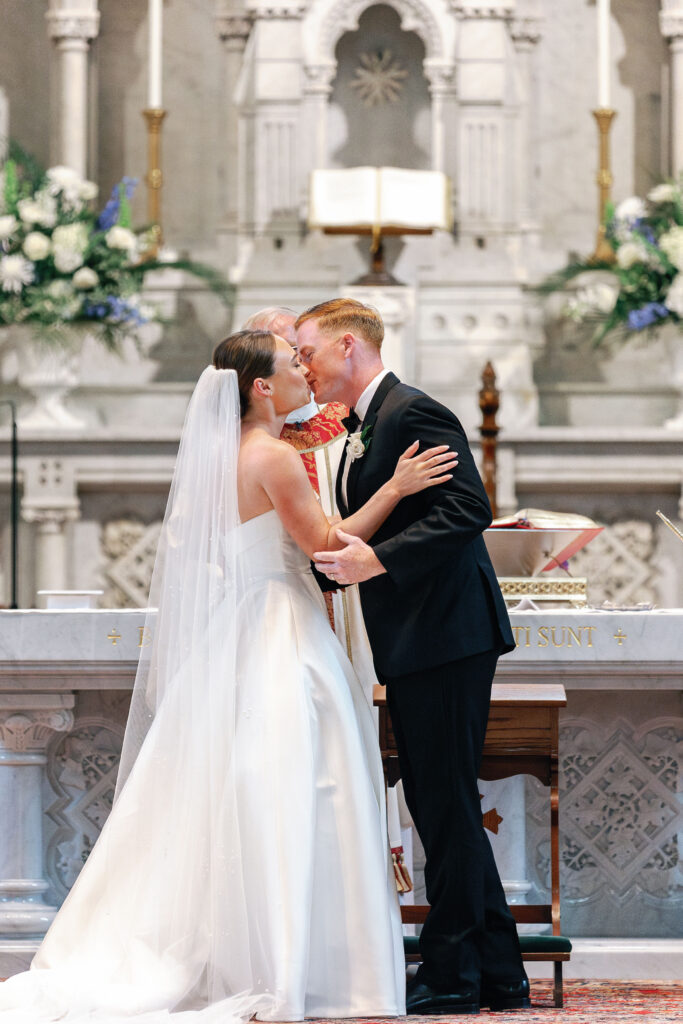
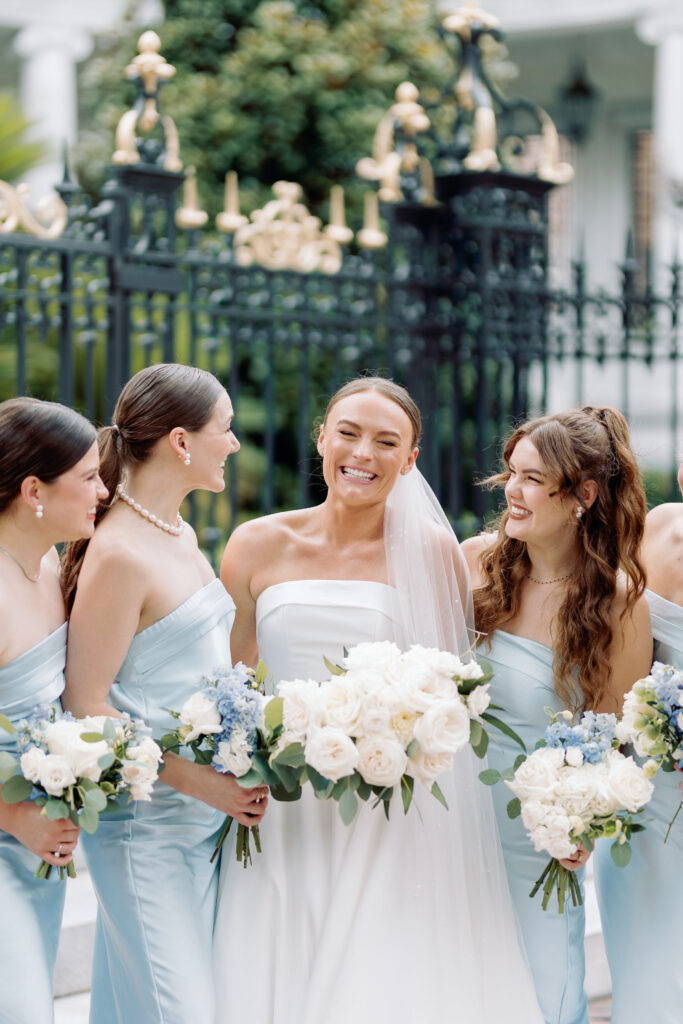
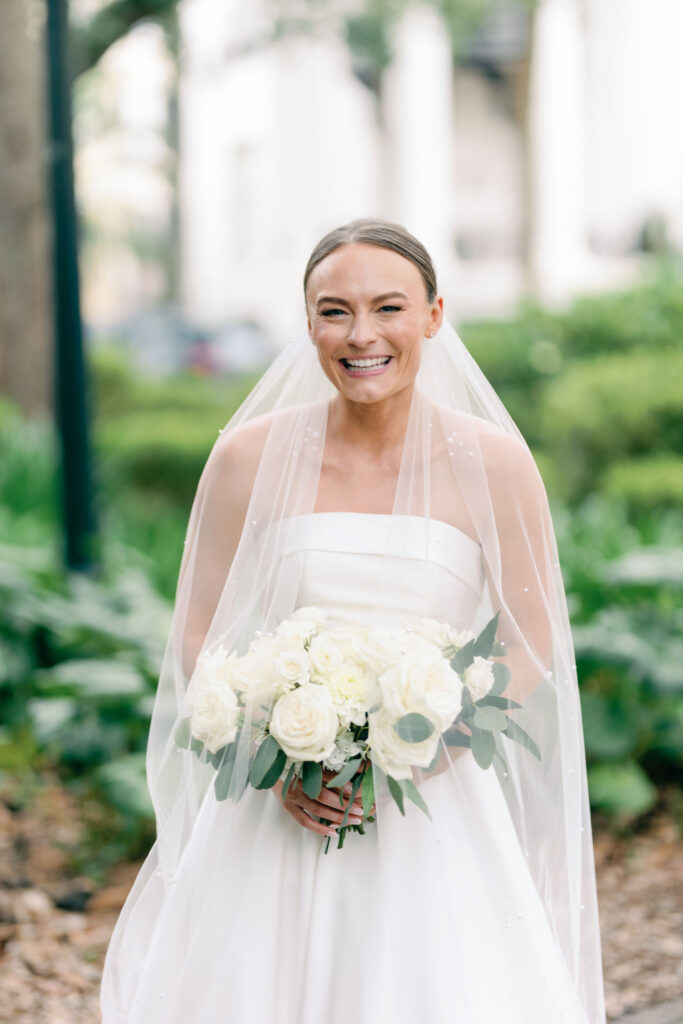
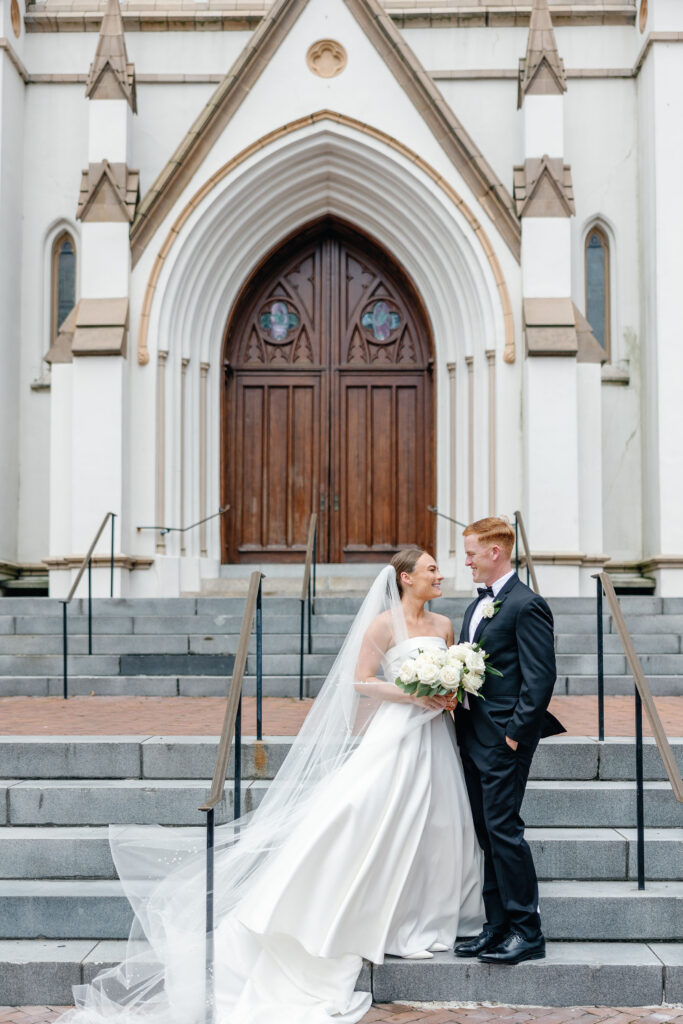
Choose an approach that matches your comfort level.
The words candid, documentary, editorial, and natural are everywhere in wedding photography, but they do not mean exactly the same thing to every photographer. Ask what those words look like in practice.
What happens when you step in front of the camera and have no idea what to do with your hands? How much direction will you receive during portraits? Will the photographer interrupt a real moment to perfect it, or allow it to happen? How are family photographs handled efficiently without turning them into chaos?
You should be able to picture what it will feel like to work with the person you are considering. If you love candid photographs but know you will want a little reassurance and direction, choose someone who can give you both. Documentary does not have to mean completely hands-off, and editorial does not have to mean stiff.
Make sure they understand Savannah light, weather, and logistics.
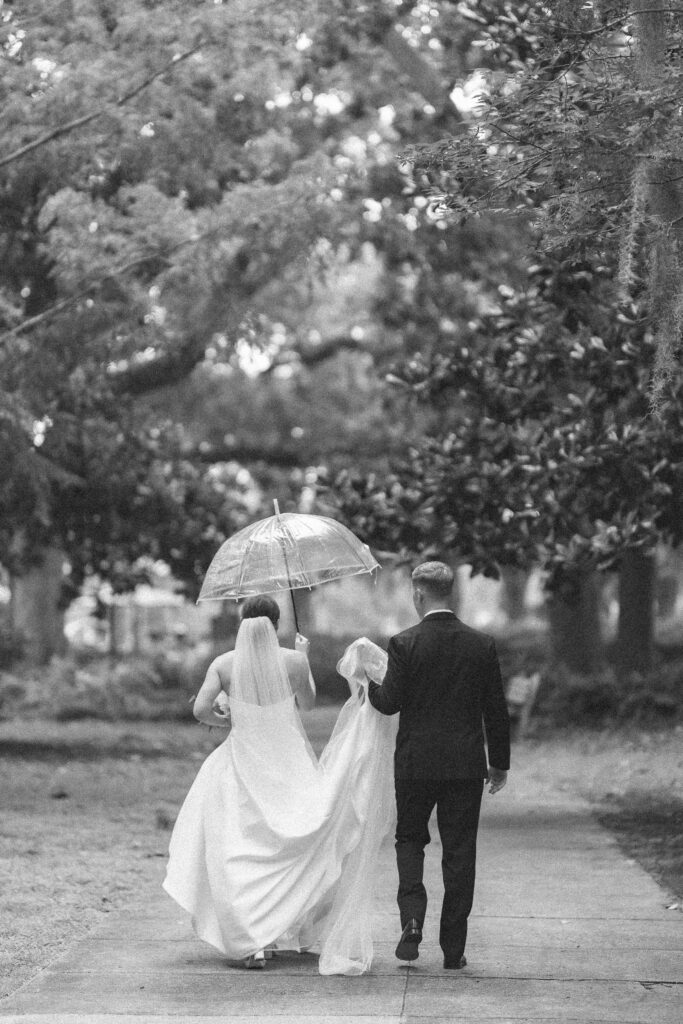
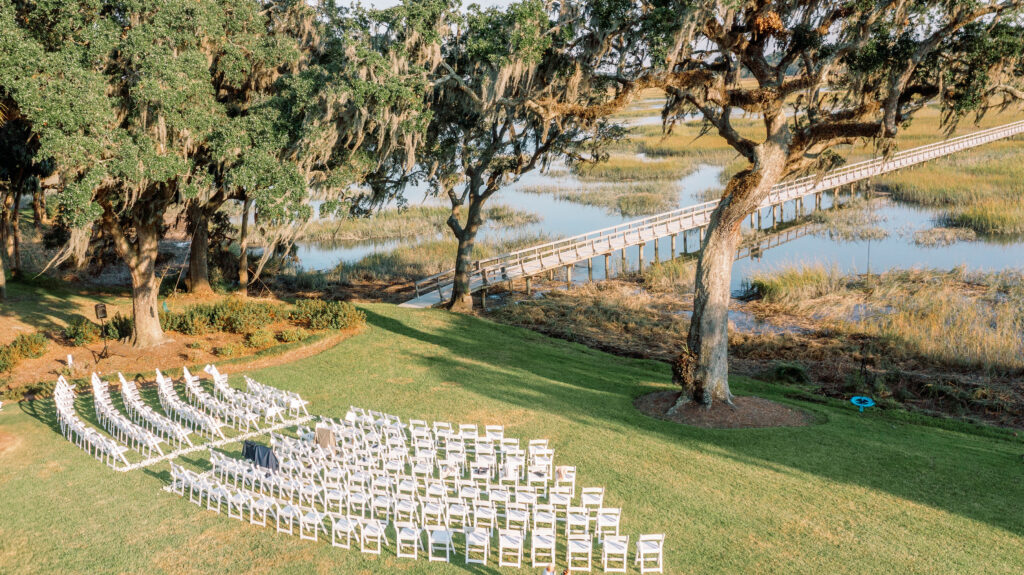
Savannah is beautiful, but it is not one simple lighting situation. A ceremony beneath the trees can have patches of bright sun and deep shade. Historic churches and older buildings may have strict photography rules or very little available light. Hotel ballrooms can change dramatically once the sun goes down. Coastal weather, heat, humidity, and sudden rain can all affect the timeline.
Downtown logistics matter too. Trolleys, parking, cobblestones, road closures, tourists, and travel between venues can add time that never appears on a simple directions app. A photographer with local experience can help you build realistic transitions, identify the best light nearby, and create a backup portrait plan before it is needed.
Ask how your photographer would handle rain, harsh midday light, a dark ceremony space, and multiple locations. You are not looking for a promise that nothing will change. You are looking for someone who can stay calm and make a good plan when it does.
Ask how they help with the wedding-day timeline.
A thoughtful photography timeline protects more than portrait time. It creates breathing room so you can hug your people, drink a glass of water, fix a button, or simply take in what is happening without feeling like the entire day is running five minutes behind.
Your photographer should ask about the people, moments, and details that matter most to you. They should consider travel time, ceremony rules, family photo combinations, sunset, reception entrances, and the amount of time each part of the story realistically needs. They should also collaborate well with your planner rather than competing with them.
My job is never to turn your wedding into a photoshoot. It is to prepare carefully enough that the photography fits into the day smoothly – and that you still have room to live it.
Choose coverage around the moments you value.
It is easy to compare wedding collections by the number of hours, but coverage is really a decision about which parts of your story you want preserved.
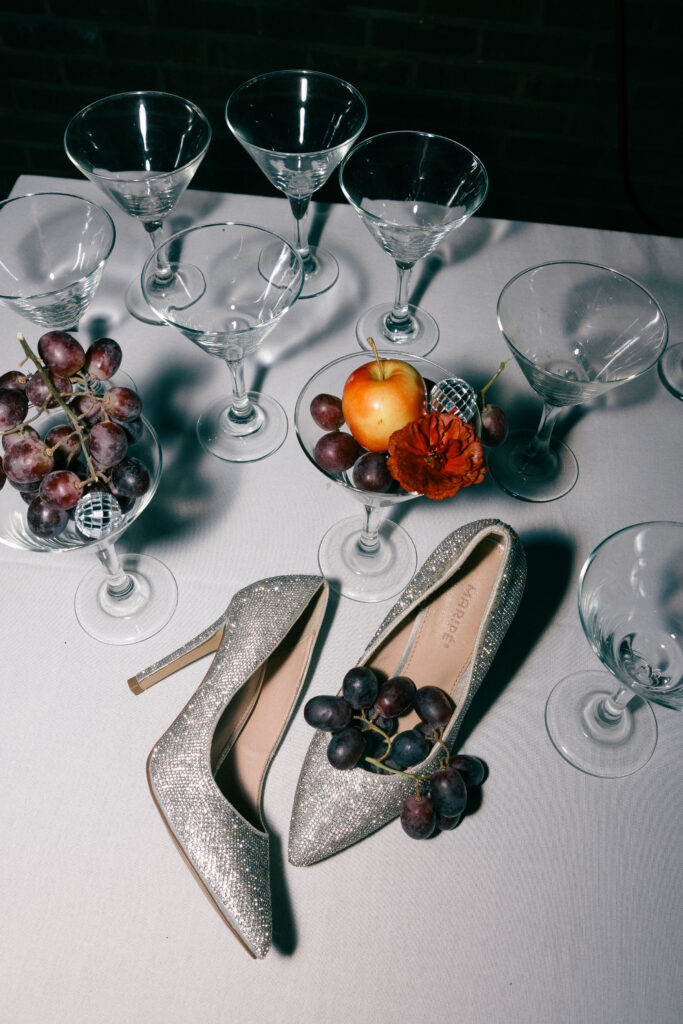
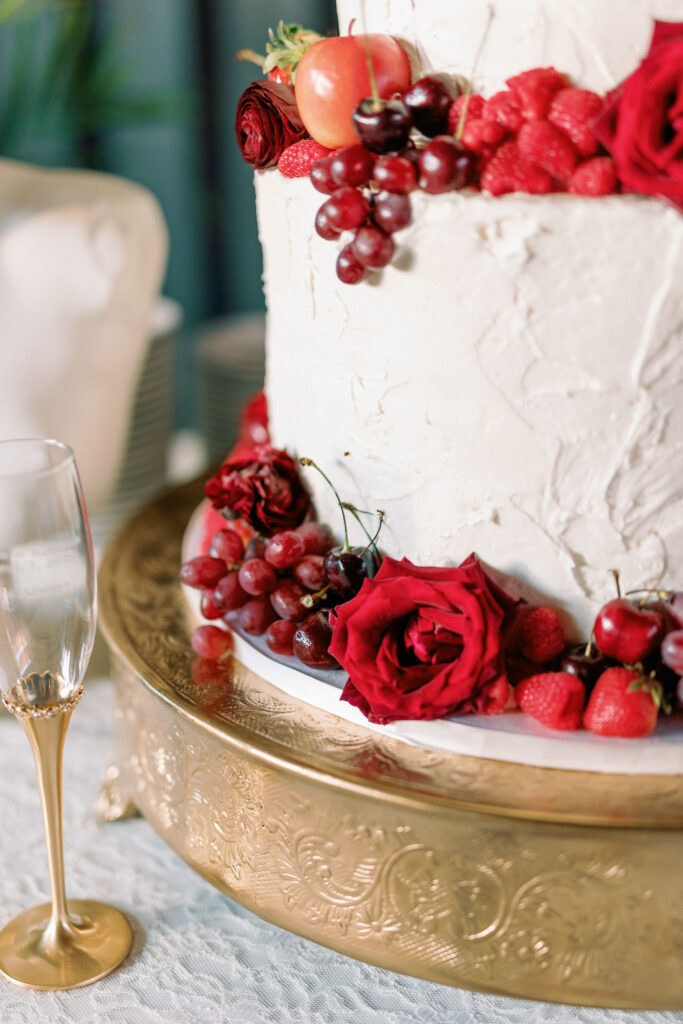
A wedding day does not begin at the ceremony. It begins with the room full of your closest people, the details you spent months choosing, the nerves before the dress goes on, and the reactions that happen before anyone walks down the aisle. It also does not end immediately after the formalities. The dance floor, the hugs, the loosened ties, and the joy at the end of the night often become some of the most-loved photographs in a gallery.
If those transitions and in-between moments matter to you, full-day coverage may serve you better than trying to fit the day into the smallest possible window. Start with the story you want to keep, then choose the coverage that protects it.

Know exactly who will photograph your wedding.
Before signing, confirm who will actually be there on the wedding day. Will it be the photographer whose work and personality you connected with, an associate, or a rotating team member? If the company uses associates, ask to see complete galleries photographed by that specific person and learn who handles planning and communication.
Also ask whether a second photographer is included or recommended. A second photographer can be especially helpful when both partners are getting ready in different locations, when the ceremony has restrictions, when the guest count is larger, or when multiple perspectives are important. It is not automatically necessary for every wedding, but the recommendation should be based on your timeline and logistics – not a generic rule.
Look for the unglamorous signs of professionalism.
Backup plans are not the most romantic part of wedding photography, but they are absolutely part of the job. A professional should be able to explain their contract, insurance, backup equipment, file protection, emergency plan, turnaround time, and what is included in the final gallery.
Ask how images are protected during and after the wedding. Confirm how long the gallery will remain available, whether you receive printing rights, and how albums or prints can be ordered. You should leave the conversation understanding exactly what happens next – not hoping the details work themselves out later.
Read reviews for the experience, not only the final photographs.
When reading reviews, look for patterns. Couples will always mention that their photographs are beautiful, but pay close attention when they repeatedly describe someone as calm, organized, communicative, encouraging, prepared, or easy to be around.
Those words tell you what the photographer contributed while the memories were still being made. They also reveal whether the experience promised on a website is the experience couples actually received.
Pay attention to the connection you feel.
You do not have to become best friends with your wedding photographer during the first conversation. You should, however, feel heard, respected, and comfortable asking questions. Notice whether they are curious about the two of you or mainly focused on selling a package.
Your photographer will witness emotional, vulnerable, and sometimes beautifully chaotic moments. The more at ease you feel with them, the easier it is to stay present – and the more naturally your photographs can reflect who you really are.
Questions to ask when choosing a Savannah wedding photographer:
- Can we see two complete wedding galleries, including one with a similar setting or timeline?
- How would you describe the way you guide couples while still preserving candid moments?
- How do you photograph dark ceremony spaces and nighttime receptions?
- How do you prepare for rain, heat, or a sudden timeline change?
- How involved are you in building the photography timeline?
- Will you personally photograph our wedding? If not, can we meet and review work from the assigned photographer?
- Would you recommend a second photographer for our specific plans, and why?
- What backup equipment and image-backup systems do you use?
- What is included in the collection, and when will we receive the full gallery?
- How do you work alongside planners, videographers, and other vendors?
- What happens if an emergency prevents you from photographing the wedding?
How far in advance should you book a Savannah wedding photographer?
Once your date and venue are confirmed, photography is one of the next vendors I recommend contacting. Many couples begin reaching out 12 to 18 months in advance, especially for popular spring and fall Saturdays in Savannah. If your wedding is sooner, do not assume your date is unavailable – ask. But booking early gives you more choice and more time to use your photographer as a planning resource.
The right Savannah wedding photographer will feel like the right fit.
There is no single photographer who is perfect for every couple. The right one for you is the person whose work you consistently love, whose experience gives you confidence, and whose presence allows you to relax into the day.
If you want wedding photographs that blend documentary storytelling with an editorial eye – along with thoughtful guidance that never makes the day feel staged – I would love to hear what you are planning. You can explore my Savannah wedding photography portfolio, learn more about the Ale Santana Experience, or reach out to begin the conversation.
Frequently Asked Questions
Look for a consistent body of work, complete galleries in varied lighting, a clear approach to directing and documenting moments, professional backup systems, and a personality that helps you feel comfortable. Local experience with Savannah weather, lighting, and logistics is also valuable.
Many couples inquire 12 to 18 months before their wedding, especially for spring and fall Saturdays. Once your date and venue are confirmed, it is a good time to begin reaching out.
Yes. A full gallery shows how a photographer handles the entire story, including getting ready, family photographs, indoor spaces, low light, receptions, and changing conditions – not only the images selected for a portfolio.
It depends on your timeline, guest count, venue rules, and whether key events happen in separate locations. A second photographer can add coverage and alternate perspectives, but the recommendation should be based on your specific wedding.
Not necessarily. Strong photographers can work well in new spaces, but they should be able to explain how they research the location, assess light, communicate with the venue, and build a backup plan. Experience in similar Savannah settings is helpful.
An engagement session is not required, but it can help you become comfortable with your photographer’s direction before the wedding. It also gives your photographer a chance to learn how the two of you naturally interact.


